-
Table of Contents
“`html
Carbohydrate timing and primobolan
In the realm of sports pharmacology, the strategic timing of nutrient intake and the use of anabolic agents are pivotal in optimizing athletic performance. Carbohydrate timing and the use of anabolic steroids like primobolan have garnered significant attention for their potential synergistic effects on muscle growth, recovery, and overall performance. This article delves into the intricacies of carbohydrate timing and the pharmacological profile of primobolan, providing insights into how these elements can be effectively integrated into an athlete’s regimen.
Understanding carbohydrate timing
Carbohydrate timing refers to the strategic consumption of carbohydrates in relation to exercise sessions to maximize performance and recovery. The concept is rooted in the understanding that the timing of nutrient intake can influence glycogen storage, insulin response, and muscle protein synthesis (Ivy et al. 2002).
The science behind carbohydrate timing
Carbohydrates are the primary source of energy during high-intensity exercise. The timing of carbohydrate intake can significantly impact glycogen resynthesis rates post-exercise. Consuming carbohydrates immediately after exercise can enhance glycogen storage by up to 50% compared to delayed intake (Ivy et al. 1988). This is due to the increased insulin sensitivity and the heightened activity of glycogen synthase in the post-exercise period.

Moreover, the type of carbohydrate consumed also plays a role. High-glycemic index carbohydrates are more effective in rapidly replenishing glycogen stores compared to low-glycemic index carbohydrates (Burke et al. 1993). This is particularly beneficial for athletes who engage in multiple training sessions within a short timeframe.
Practical applications
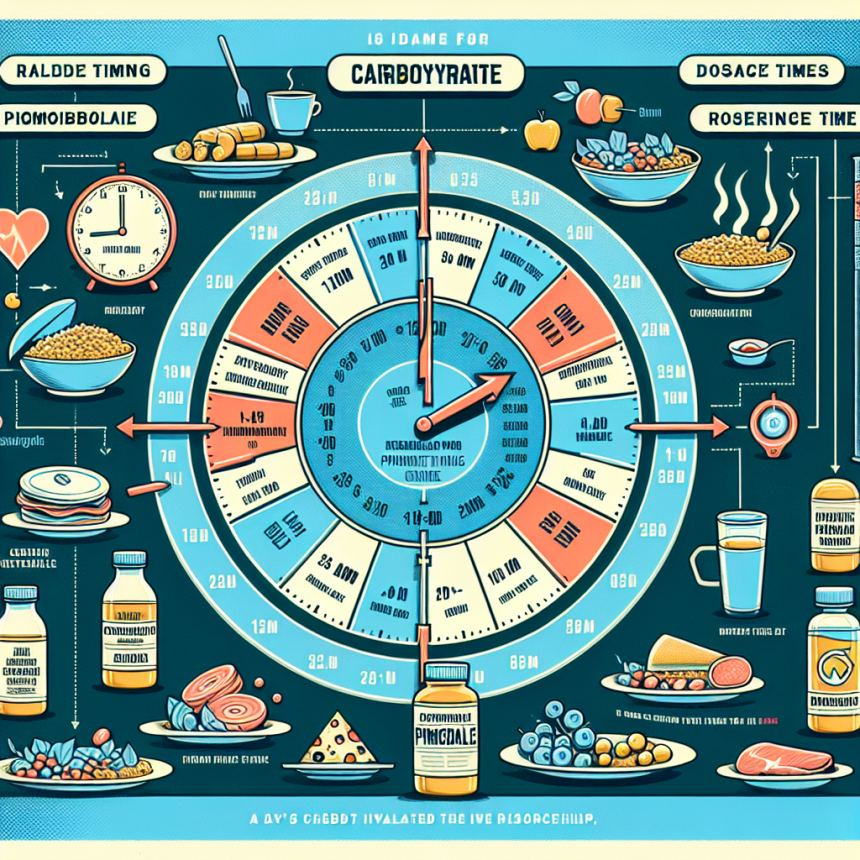
Athletes can optimize their performance by strategically timing their carbohydrate intake. For instance, endurance athletes may benefit from consuming a carbohydrate-rich meal 3-4 hours before exercise, followed by a smaller carbohydrate snack 30-60 minutes prior to the session. Post-exercise, a combination of carbohydrates and protein can further enhance recovery by promoting muscle protein synthesis and glycogen resynthesis (Tipton et al. 2001).
Primobolan: an overview
Primobolan, known chemically as methenolone, is an anabolic steroid that has been used in various athletic and clinical settings. It is favored for its mild anabolic effects and low androgenic properties, making it a popular choice among athletes seeking to enhance performance without significant side effects.
Pharmacokinetics and pharmacodynamics
Primobolan is available in both oral and injectable forms, with the latter being more bioavailable. The oral form has a half-life of approximately 6 hours, while the injectable form has a half-life of 10 days (Kicman 2008). Primobolan exhibits a high affinity for androgen receptors, promoting protein synthesis and nitrogen retention in muscles, which are crucial for muscle growth and recovery.

Unlike other anabolic steroids, primobolan does not aromatize into estrogen, reducing the risk of estrogen-related side effects such as gynecomastia. This makes it a preferred choice for athletes concerned about maintaining a lean physique.
Real-world applications
Primobolan is often used in cutting cycles to preserve lean muscle mass while reducing body fat. Its mild nature allows for its use in both male and female athletes, although dosage adjustments are necessary to minimize the risk of virilization in females. A typical cycle may last 8-12 weeks, with dosages ranging from 400-600 mg per week for men and 50-100 mg per week for women (Hartgens and Kuipers 2004).
Integrating carbohydrate timing and primobolan
The combination of carbohydrate timing and primobolan can offer synergistic benefits for athletes. By optimizing glycogen stores and enhancing muscle protein synthesis through strategic carbohydrate intake, athletes can maximize the anabolic effects of primobolan. This integration can lead to improved recovery, increased muscle mass, and enhanced performance.

For example, an athlete using primobolan during a cutting phase can benefit from consuming carbohydrates post-workout to replenish glycogen stores and support muscle recovery. This approach not only aids in maintaining muscle mass but also enhances the overall effectiveness of the steroid cycle.
Expert opinion
In the ever-evolving field of sports pharmacology, the integration of nutritional strategies with pharmacological interventions offers promising avenues for performance enhancement. Carbohydrate timing, when combined with the judicious use of anabolic agents like primobolan, can provide athletes with a competitive edge. However, it is imperative to approach these strategies with caution, ensuring that they are tailored to individual needs and goals. As research continues to unfold, athletes and coaches alike can look forward to more refined and effective approaches to optimizing performance.
References
Burke, L. M., Collier, G. R., & Hargreaves, M. (1993). Muscle glycogen storage after prolonged exercise: effect of the glycemic index of carbohydrate feedings. Journal of Applied Physiology, 75(2), 1019-1023.
Hartgens, F., & Kuipers, H. (2004). Effects of androgenic-anabolic steroids in athletes. Sports Medicine, 34(8), 513-554.
Ivy, J. L., Katz, A. L., Cutler, C. L., Sherman, W. M., & Coyle, E. F. (1988). Muscle glycogen synthesis after exercise: effect of time of carbohydrate ingestion. Journal of Applied Physiology, 64(4), 1480-1485.
Ivy, J. L., Goforth, H. W., Damon, B. M., McCauley, T. R., Parsons, E. C., & Price, T. B. (2002). Early postexercise muscle glycogen recovery is enhanced with a carbohydrate-protein supplement. Journal of Applied Physiology, 93(4), 1337