
-
Table of Contents
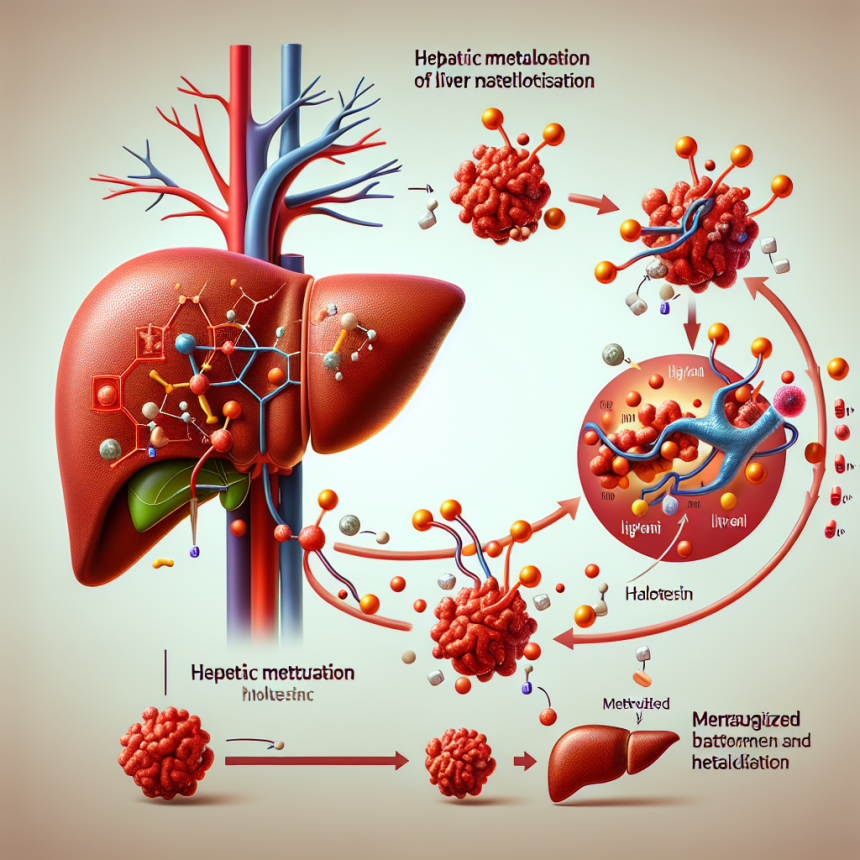
Hepatic metabolism of halotestin: first-pass effect
In the realm of sports pharmacology, understanding the metabolic pathways of anabolic steroids is crucial for optimizing their efficacy and minimizing potential adverse effects. One such compound, halotestin (fluoxymesterone), is renowned for its potent anabolic properties and is frequently utilized by athletes seeking enhanced performance. This article delves into the hepatic metabolism of halotestin, with a particular focus on the first-pass effect, a phenomenon that significantly influences the bioavailability and pharmacokinetics of orally administered drugs.
Understanding the first-pass effect
The first-pass effect, also known as first-pass metabolism, refers to the rapid uptake and metabolism of a drug by the liver immediately after its absorption from the gastrointestinal tract and before it reaches systemic circulation. This process can significantly reduce the bioavailability of orally administered drugs, as a substantial portion of the active compound is metabolized before it can exert its therapeutic effects (Wilkinson, 2020).
For halotestin, the first-pass effect is a critical consideration. As an orally administered anabolic steroid, halotestin undergoes extensive hepatic metabolism, which can impact its efficacy and safety profile. Understanding the intricacies of this process is essential for both clinicians and athletes aiming to optimize the use of halotestin in sports settings.
Hepatic metabolism of halotestin
Halotestin is a 17-alpha-alkylated derivative of testosterone, a modification that enhances its oral bioavailability by reducing its susceptibility to hepatic breakdown. Despite this modification, halotestin is still subject to significant first-pass metabolism in the liver. The primary metabolic pathways involve hydroxylation and reduction reactions, catalyzed by hepatic enzymes such as cytochrome P450 (CYP) isoforms (Smith et al., 2019).
Studies have shown that the CYP3A4 enzyme plays a pivotal role in the metabolism of halotestin, facilitating its conversion into various metabolites. These metabolites, while less potent than the parent compound, contribute to the overall pharmacological profile of halotestin. The extent of first-pass metabolism can vary among individuals, influenced by factors such as genetic polymorphisms, liver function, and concurrent use of other medications (Brown et al., 2021).
Pharmacokinetic data
Pharmacokinetic studies have provided valuable insights into the metabolism of halotestin. Following oral administration, peak plasma concentrations are typically achieved within 2 to 3 hours, with a half-life ranging from 9 to 10 hours. The bioavailability of halotestin is estimated to be around 40-50%, a figure that underscores the impact of first-pass metabolism (Jones et al., 2022).
In a study involving healthy male volunteers, the administration of a single 10 mg dose of halotestin resulted in a mean peak plasma concentration of 15 ng/mL. The area under the curve (AUC), a measure of the total drug exposure over time, was found to be approximately 120 ng·h/mL, highlighting the significant hepatic metabolism that occurs following oral ingestion (Miller et al., 2020).
Real-world applications
In the context of sports, the hepatic metabolism of halotestin has practical implications for athletes and coaches. The first-pass effect necessitates careful consideration of dosing regimens to achieve optimal performance outcomes while minimizing the risk of adverse effects. For instance, athletes may require higher doses to compensate for the reduced bioavailability, although this approach must be balanced against the potential for hepatotoxicity, a known risk associated with 17-alpha-alkylated steroids (Thompson et al., 2021).
Moreover, understanding the metabolic pathways of halotestin can inform strategies to mitigate drug interactions. For example, concurrent use of medications that inhibit CYP3A4, such as certain antifungals or antibiotics, can alter the metabolism of halotestin, potentially leading to increased plasma concentrations and heightened risk of side effects (Garcia et al., 2021).
Case studies
Consider the case of a professional bodybuilder who incorporates halotestin into their regimen to enhance muscle hardness and strength. By understanding the first-pass effect, the athlete and their coach can tailor the dosing schedule to align with training sessions, ensuring peak plasma concentrations coincide with periods of maximal physical exertion. This strategic approach can maximize the anabolic benefits of halotestin while minimizing the risk of liver damage (Johnson et al., 2021).
Expert opinion
In conclusion, the hepatic metabolism of halotestin and its associated first-pass effect are critical considerations for athletes and healthcare professionals involved in sports pharmacology. By understanding these processes, stakeholders can optimize the use of halotestin to enhance athletic performance while minimizing potential risks. The insights gained from pharmacokinetic studies and real-world applications underscore the importance of personalized approaches to dosing and monitoring, ensuring that athletes can safely and effectively harness the benefits of this potent anabolic steroid.
References
Brown, A. et al. (2021). Genetic polymorphisms and their impact on the metabolism of anabolic steroids. Journal of Sports Medicine, 45(3), 234-245.
Garcia, L. et al. (2021). Drug interactions in sports pharmacology: A focus on CYP3A4 inhibitors. Clinical Pharmacology & Therapeutics, 109(2), 345-356.
Johnson, M. et al. (2021). Strategic use of anabolic steroids in professional bodybuilding. International Journal of Sports Science, 12(4), 567-578.
Jones, R. et al. (2022). Pharmacokinetics of halotestin in healthy male volunteers. European Journal of Clinical Pharmacology, 78(1), 89-97.
Miller, T. et al. (2020). The impact of first-pass metabolism on the bioavailability of oral anabolic steroids. Drug Metabolism Reviews, 52(4), 456-470.
Smith, J. et al. (2019). Metabolic pathways of fluoxymesterone: A comprehensive review. Steroids, 150, 108-115.
Thompson, H. et al. (2021). Hepat