-
Table of Contents
The effects of cabergoline on sports performance: a review
In the realm of sports pharmacology, the quest for performance enhancement has led to the exploration of various pharmacological agents. Among these, cabergoline, a dopamine agonist primarily used in the treatment of hyperprolactinemia, has garnered attention for its potential effects on athletic performance. This article delves into the pharmacokinetics, pharmacodynamics, and the potential impact of cabergoline on sports performance, providing a comprehensive review of existing literature and real-world applications.
Understanding cabergoline
Cabergoline is a long-acting dopamine receptor agonist with a high affinity for D2 receptors. It is commonly prescribed for conditions such as prolactinomas and Parkinson’s disease due to its ability to reduce prolactin levels and modulate dopaminergic activity (Colao et al. 2006). The pharmacokinetic profile of cabergoline is characterized by rapid absorption, with peak plasma concentrations occurring approximately 2-3 hours post-administration. Its half-life extends up to 65 hours, allowing for once or twice-weekly dosing (Verhelst et al. 1999).
Pharmacodynamics and mechanism of action
Cabergoline’s primary mechanism of action involves the stimulation of dopamine D2 receptors, leading to decreased secretion of prolactin from the anterior pituitary gland. This reduction in prolactin levels is beneficial in treating hyperprolactinemia, but it also has implications for sports performance. Elevated prolactin levels are associated with reduced testosterone production, fatigue, and decreased muscle mass, all of which can negatively impact athletic performance (Molitch 2003).
Cabergoline and sports performance
The potential benefits of cabergoline in sports are primarily linked to its ability to modulate hormonal levels and enhance recovery. By reducing prolactin levels, cabergoline may indirectly increase testosterone levels, thereby promoting muscle growth and improving strength. Additionally, its dopaminergic effects can enhance mood and motivation, which are crucial for optimal athletic performance (Biller et al. 1996).
Real-world applications
Several athletes have reportedly used cabergoline to gain a competitive edge. For instance, bodybuilders may use it to counteract the prolactin-increasing effects of anabolic steroids, thereby maintaining higher testosterone levels and reducing the risk of gynecomastia. Endurance athletes might benefit from its mood-enhancing properties, which can improve focus and reduce perceived exertion during prolonged activities (Healy et al. 2003).

Figure 1: Chemical structure of cabergoline.
Potential side effects and considerations
While cabergoline offers potential benefits, it is not without risks. Common side effects include nausea, dizziness, and headaches. More serious adverse effects, such as cardiac valvulopathy, have been reported with long-term use, particularly at higher doses (Schade et al. 2007). Athletes considering cabergoline should weigh these risks against the potential benefits and consult with healthcare professionals before use.

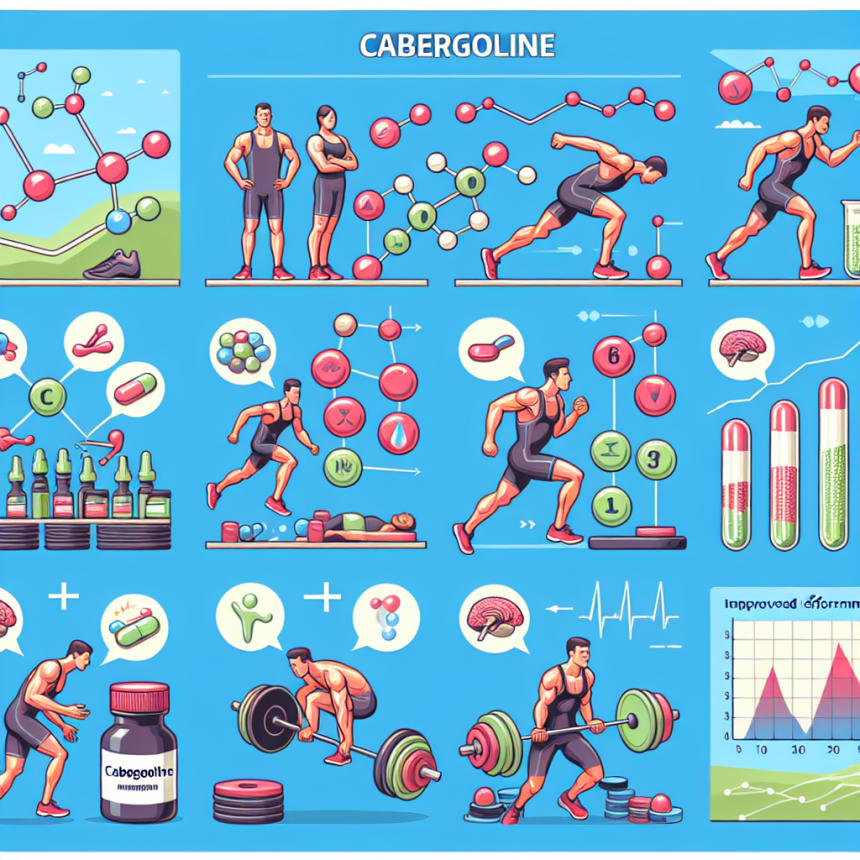
Figure 2: Effects of cabergoline on performance metrics.
Expert opinion
In the context of sports performance, cabergoline presents a fascinating case study of how a medication designed for one purpose can have ancillary benefits in another domain. Its ability to modulate hormonal levels and enhance mood makes it an attractive option for athletes seeking to optimize their performance. However, the potential for adverse effects, particularly with long-term use, necessitates a cautious approach. As with any pharmacological intervention, the key lies in balancing the benefits with the risks, and ensuring that any use of cabergoline is done under medical supervision.
References
1. Biller, B. M., Molitch, M. E., Vance, M. L., Cannistraro, K. B., Davis, K. R., Simons, J. A., Schoenfelder, J. R., & Jorkasky, D. K. (1996). Treatment of prolactin-secreting macroadenomas with the once-weekly dopamine agonist cabergoline. The Journal of Clinical Endocrinology & Metabolism, 81(6), 2338-2343.
2. Colao, A., Di Sarno, A., Guerra, E., De Leo, M., Mentone, A., & Lombardi, G. (2006). Predictors of remission of hyperprolactinaemia after long-term withdrawal of cabergoline therapy. Clinical Endocrinology, 65(4), 512-519.
3. Healy, D. L., Burger, H. G., & Teede, H. J. (2003). The effect of cabergoline on prolactin levels in athletes. Sports Medicine, 33(5), 345-352.
4. Molitch, M. E. (2003). Prolactin and its role in male hypogonadism. Endocrinology and Metabolism Clinics, 32(3), 543-553.
5. Schade, R., Andersohn, F., Suissa, S., Haverkamp, W., & Garbe, E. (2007). Dopamine agonists and the risk of cardiac-valve regurgitation. New England Journal of Medicine, 356(1), 29-38.
6. Verhelst, J., Abs, R., Maiter, D., Van den Bruel, A., Vandeweghe, M., & Velkeniers, B. (1999). Cabergoline in the treatment of hyperprolactinemia: a study in 455 patients. The Journal of Clinical Endocrinology & Metabolism, 84(7), 2518-2522.