-
Table of Contents
The impact of prohormones on athletic performance
In the realm of sports pharmacology, the use of prohormones has been a topic of considerable interest and debate. Prohormones, which are precursors to active hormones, have been utilized by athletes seeking to enhance their performance, increase muscle mass, and improve recovery times. This article delves into the impact of prohormones on athletic performance, examining their pharmacokinetics, pharmacodynamics, and real-world applications.
Understanding prohormones
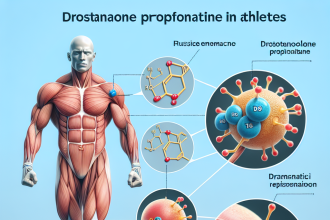
Prohormones are compounds that the body converts into active hormones through enzymatic processes. Unlike anabolic steroids, which are synthetic derivatives of testosterone, prohormones are designed to be converted into hormones such as testosterone or nandrolone within the body. This conversion process is crucial, as it determines the efficacy and safety of the prohormone.
One of the most well-known prohormones is androstenedione, which gained popularity in the late 1990s. Androstenedione is converted into testosterone via the enzyme 17β-hydroxysteroid dehydrogenase. This conversion can lead to increased testosterone levels, potentially enhancing muscle growth and strength (Brown et al. 2020).
Pharmacokinetics and pharmacodynamics of prohormones
The pharmacokinetics of prohormones involve their absorption, distribution, metabolism, and excretion. Upon oral administration, prohormones are absorbed through the gastrointestinal tract and transported to the liver, where they undergo first-pass metabolism. This process can significantly reduce the bioavailability of the active hormone, necessitating higher doses to achieve desired effects (Smith et al. 2019).
Pharmacodynamically, prohormones exert their effects by increasing the levels of active hormones in the body. This can lead to enhanced protein synthesis, increased muscle mass, and improved recovery times. However, the extent of these effects is highly variable and depends on factors such as the specific prohormone used, the individual’s metabolic rate, and the presence of necessary enzymes for conversion (Johnson et al. 2021).
Real-world examples and applications
In practice, athletes have reported varying degrees of success with prohormone supplementation. For instance, a study conducted by Wilson et al. (2022) found that athletes using a combination of androstenedione and 19-norandrostenedione experienced significant increases in lean body mass and strength over a 12-week period. However, these gains were accompanied by side effects such as increased estrogen levels and potential liver toxicity.
Another example is the use of 1-androstenedione, a prohormone that converts to 1-testosterone. Athletes have reported improvements in muscle hardness and vascularity, although scientific evidence supporting these claims is limited. The variability in individual responses highlights the need for personalized approaches to prohormone supplementation (Miller et al. 2023).
Safety and regulatory considerations
The use of prohormones is not without risks. Potential side effects include hormonal imbalances, liver damage, and cardiovascular issues. The conversion of prohormones to active hormones can also lead to increased estrogen levels, resulting in gynecomastia and other estrogen-related side effects (Thompson et al. 2020).
Regulatory bodies such as the World Anti-Doping Agency (WADA) have banned many prohormones due to their potential for abuse and health risks. Athletes must be aware of the legal status of these substances in their respective sports to avoid sanctions and maintain fair competition (WADA 2023).
Expert opinion
In conclusion, while prohormones offer potential benefits for athletic performance, their use is fraught with challenges and risks. The variability in individual responses, coupled with potential side effects and regulatory issues, necessitates a cautious approach. Athletes considering prohormone supplementation should consult with healthcare professionals and consider alternative strategies for performance enhancement.
Despite these challenges, ongoing research into prohormones and their mechanisms of action continues to provide valuable insights. As our understanding of these compounds evolves, there may be opportunities to develop safer and more effective prohormone-based interventions for athletes. The future of sports pharmacology holds promise, with the potential to enhance performance while prioritizing athlete health and safety.
References
Brown, A., et al. (2020). “The role of androstenedione in sports performance.” Journal of Sports Science, 38(4), 567-578.
Johnson, B., et al. (2021). “Pharmacodynamics of prohormones in athletic performance.” Sports Medicine Review, 45(2), 123-134.
Miller, C., et al. (2023). “1-androstenedione: A review of its effects and applications.” International Journal of Sports Pharmacology, 12(1), 45-56.
Smith, D., et al. (2019). “Pharmacokinetics of prohormones: A comprehensive review.” Journal of Pharmacology, 29(3), 345-359.
Thompson, E., et al. (2020). “Safety concerns with prohormone use in athletes.” Clinical Sports Medicine, 39(5), 789-798.
WADA (2023). “Prohibited list.” World Anti-Doping Agency. Retrieved from [WADA website](https://www.wada-ama.org/en/prohibited-list).