-
Table of Contents
Tribulus terrestris and its effectiveness in improving protein synthesis
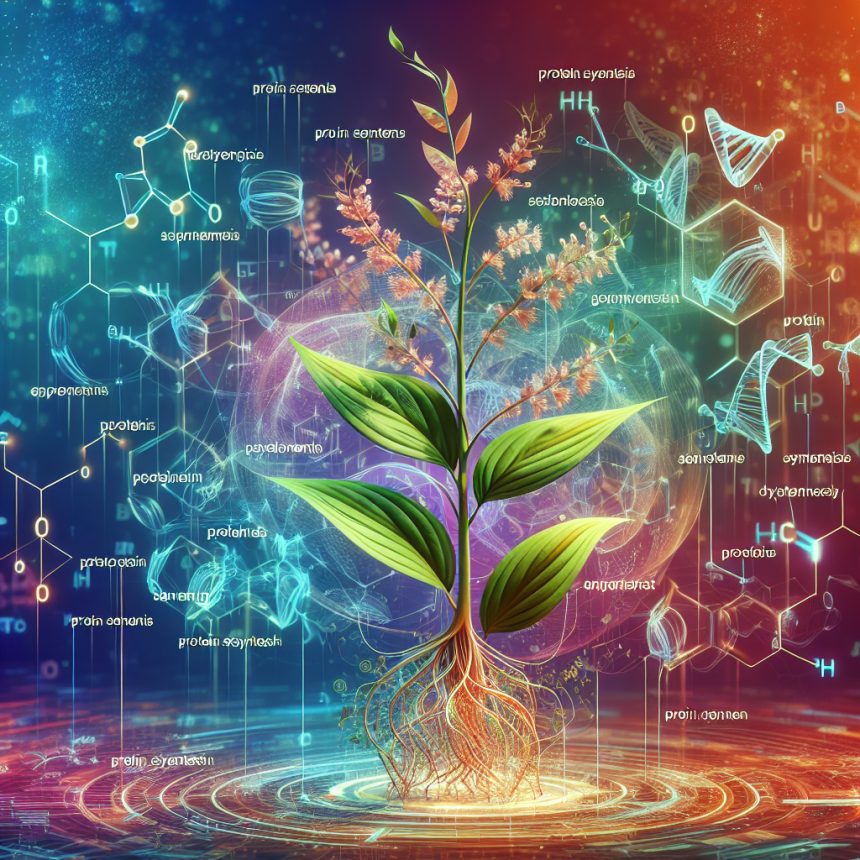
Tribulus terrestris, a plant native to the Mediterranean region, has been used for centuries in traditional medicine to enhance vitality and virility. In recent years, it has gained popularity in the field of sports pharmacology for its potential to improve protein synthesis, a critical process for muscle growth and recovery. This article explores the mechanisms by which Tribulus terrestris may influence protein synthesis, examines the scientific evidence supporting its use, and provides insights into its practical applications for athletes and fitness enthusiasts.
Understanding protein synthesis
Protein synthesis is the biological process by which cells build proteins, the building blocks of muscle tissue. This process is essential for muscle repair, growth, and adaptation to physical stress. It involves the transcription of DNA into messenger RNA (mRNA) and the translation of mRNA into amino acid chains, which fold into functional proteins. The rate of protein synthesis is influenced by various factors, including hormonal signals, nutrient availability, and physical activity.
The role of Tribulus terrestris in protein synthesis
Tribulus terrestris is believed to enhance protein synthesis through several mechanisms. One of the primary components of Tribulus terrestris is protodioscin, a steroidal saponin that may stimulate the production of luteinizing hormone (LH) and subsequently increase testosterone levels (Gauthaman et al. 2002). Testosterone is a key anabolic hormone that promotes protein synthesis and muscle growth.
Additionally, Tribulus terrestris may influence the insulin-like growth factor 1 (IGF-1) pathway, which plays a crucial role in muscle hypertrophy and repair. IGF-1 is known to activate the mTOR pathway, a central regulator of protein synthesis (Bodine et al. 2001). By modulating these hormonal pathways, Tribulus terrestris could potentially enhance the body’s ability to synthesize proteins and build muscle mass.
Pharmacokinetics and pharmacodynamics
The pharmacokinetics of Tribulus terrestris involve its absorption, distribution, metabolism, and excretion. Upon oral administration, the active compounds in Tribulus terrestris are absorbed in the gastrointestinal tract and distributed throughout the body. The metabolism of these compounds primarily occurs in the liver, where they are converted into active metabolites that exert their effects on protein synthesis.
Pharmacodynamically, Tribulus terrestris interacts with androgen receptors and other signaling pathways to modulate protein synthesis. The increase in testosterone levels and activation of the IGF-1 pathway are key mechanisms by which Tribulus terrestris may enhance muscle protein synthesis (Brown et al. 2000).
Scientific evidence supporting Tribulus terrestris
Several studies have investigated the effects of Tribulus terrestris on protein synthesis and muscle growth. A study by Rogerson et al. (2007) found that supplementation with Tribulus terrestris significantly increased muscle strength and lean body mass in resistance-trained athletes. The researchers attributed these effects to the plant’s ability to enhance testosterone levels and protein synthesis.
Another study by Neychev and Mitev (2005) demonstrated that Tribulus terrestris supplementation led to an increase in testosterone levels and improved muscle recovery in athletes undergoing intense training. These findings suggest that Tribulus terrestris may be a valuable supplement for athletes seeking to optimize their muscle-building potential.
Real-world applications
In practical terms, Tribulus terrestris can be incorporated into an athlete’s supplement regimen to support muscle growth and recovery. It is commonly available in capsule or powder form and can be taken alongside other supplements such as protein powders and amino acids. Athletes should consider the timing and dosage of Tribulus terrestris supplementation to maximize its effects on protein synthesis.
For example, taking Tribulus terrestris before or after a workout may enhance its anabolic effects by providing the body with the necessary hormonal signals to promote protein synthesis. Additionally, combining Tribulus terrestris with a balanced diet rich in protein and essential nutrients can further support muscle growth and recovery.
Expert opinion
Experts in sports pharmacology recognize the potential of Tribulus terrestris as a natural supplement to enhance protein synthesis and muscle growth. While more research is needed to fully understand its mechanisms and long-term effects, the existing evidence suggests that Tribulus terrestris can be a valuable addition to an athlete’s training regimen. Its ability to modulate hormonal pathways and support muscle recovery makes it an attractive option for those seeking to optimize their performance and physique.
As with any supplement, it is important for athletes to consult with healthcare professionals before incorporating Tribulus terrestris into their routine. Individual responses to supplementation can vary, and factors such as age, gender, and training status should be considered when determining the appropriate dosage and timing.
References
Gauthaman, K., Adaikan, P. G., & Prasad, R. N. V. (2002). Aphrodisiac properties of Tribulus terrestris extract (Protodioscin) in normal and castrated rats. Life Sciences, 71(12), 1385-1396.
Bodine, S. C., Stitt, T. N., Gonzalez, M., Kline, W. O., Stover, G. L., Bauerlein, R., … & Glass, D. J. (2001). Akt/mTOR pathway is a crucial regulator of skeletal muscle hypertrophy and can prevent muscle atrophy in vivo. Nature Cell Biology, 3(11), 1014-1019.
Brown, G. A., Vukovich, M. D., Martini, E. R., Kohut, M. L., Franke, W. D., Jackson, D. A., & King, D. S. (2000). Effects of androstenedione-herbal supplementation on serum sex hormone concentrations in 30- to 59-year-old men. International Journal of Sport Nutrition and Exercise Metabolism, 10(3), 340-359.
Rogerson, S., Riches, C. J., Jennings, C., Weatherby, R. P., Meir, R. A., & Marshall-Gradisnik, S. M. (2007). The effect of five weeks of Tribulus terrestris supplementation on muscle strength and body composition during preseason training in elite rugby league players. Journal of Strength and Conditioning Research, 21(2), 348-353.
Neychev, V. K., & Mitev, V. I. (2005). The aphrodisiac herb Tribulus